Upgrad Logo
Home/Study Abroad/Study in United States

Study in USA

Start smart, graduate faster.

Join top-ranked universities, study in-demand courses and explore high-paying jobs with our Pathway Programs in the USA.

alt

98%

Admit Rate

1-3 Years

Post-Study Visa

₹50L+

Scholarships

3

Available Intakes

What makes USA the #1 study destination? 

Quick facts, key domains and top programs.

World Economy
#1
Job Openings
7.4 million
QS Top 1000 Unis
197
GDP per Capita
$89K (∼₹75 Lakh)
Post-Study Work Visa
1-3 Years
Annual R&D Spending
$823 Billion
Int'l Students
1.1 Million
Avg Scholarships
$84,142 (∼₹70 lakh)

Management

MBA, Supply Chain, Marketing, Project Management

Data Science

Analytics, AI/ML, Informatics

Computing

Computer Science, IT, Cybersecurity

Engineering

Robotics, IoT, Civil, Industrial

Healthcare

Public Health, Biotechnology, MBA HCM

The smartest way to study abroad

Most students take the traditional path but what if you can earn the same degree, only faster and flexibly?

Explore courses

1:18

Term 1 credits accepted at 18 global universities.

No

GRE/GMAT not required. Exam waivers are available.

12/12

Batches every month. Start your journey anytime.

₹48 Lac*

Savings on tuition and living expenses.

Fast-Track your US Degree with upGrad

Lesser cost, shorter duration and greater flexibility.
studyUSA

Faster Admit

98% admit rate because of established credit-record. No requirement of GRE/GMAT/SAT.

Faster Graduation

Higher on-campus scholarships, shorter on-campus duration, early internships, same degree.

Faster Outcomes

Earn the same PSW Visa with faster career outcomes and easier career transition.

Month 1

University and program selection.

Month 2

Online cohort starts with IELTS prep.

Month 3

Submit application to the university.

Month 5

Receive your I-20 and apply for Visa.

Month 8

Transfer on-campus to the USA.

Benefits
upGrad student
Regular student
Tuition fee
$19K – $35K (∼₹15.9L–₹30L)
$27K – $65K (∼₹22.5L–₹55L)
Total living expense
$18K (∼₹16L)
$36K (∼₹31L)
Course duration
19 months (on-campus: 9-12 months)
24 months (on-campus: 18-24 months)
Post-study work visa
1-3 Years
1-3 Years
Starting budget
₹32 Lac
₹54 Lac

Top Pathway Programs designed for your success

Explore globally coveted programs designed to empower your success. Start online, complete your degree on-campus abroad.

TOP PICKED

DAmore McKim School of Business Northeastern University

United StatesD'Amore McKim School of Business Northeastern University

MBA at Northeastern University

Global Top 100 MBA; Corporate Residency Included.

Drexel University

United StatesDrexel University

Master of Business Administration

AACSB-Accredited MBA with 5 Specializations

TOP PICKED

Clark University

United StatesClark University

MBA at Clark University

Ranked #75 on Fortune; AACSB MBA with Internship

TOP PICKED

Drexel University

United StatesDrexel University

Master of Business Administration at Drexel University

AACSB-Accredited MBA with 5 Specializations

POPULAR

Touro University

United StatesTouro University

MBA at Touro University USA

Study in the heart of NYC; Internship included.

STEM

Clarkson University

United StatesClarkson University

MBA at Clarkson University

AACSB-accredited MBA; 100% Employability

Utica University

United StatesUtica University

Master of Business Administration at Utica University

Pursue an MBA with Cybersecurity & Business Analytics

DePaul University

United StatesDePaul University

Master of Business Administration at DePaul

USA's #62 University for Best Value Schools on USNWR

Utica University

United StatesUtica University

MBA at Utica University

Pursue an MBA with Cybersecurity & Business Analytics

City University of Seattle

United StatesCity University of Seattle

MBA at CityU Seattle

View All MBA Courses

Most preferred cities for students in the USA

Select your ideal city and institution for your on-campus transfer.

Description of the image

New York

#1 Finance Hub

Home to Wall Street & biggest global banks
Description of the image

Boston

#1 Biotech Cluster

Powerhouse of top research & biotech firms
Description of the image

San Francisco

The Heart of Silicon Valley

Home to tech giants, startups & venture capital
Description of the image

Philadelphia

Birthplace of American Banking

Opportunities in finance, healthcare, and tech
Description of the image

Seattle

Cloud & Software Leader

Home to Amazon & vibrant startup ecosystem

Experience the upGrad-Advantage in the USA

Get ahead with exam waivers, top scholarships, savings & internships.

Total Expense

Over 2 years

₹64.5 L

Total Earnings

In 3 years

₹3.92 Cr

USD
INR
Tuition
Expenses
-$50,000
-₹43 Lakhs
Living
-$18,000
-₹16 Lakhs
Annual salary
Returns
+$133,000
+₹1.15 Crores
Internship stipend
+$50,400
+₹47 Lakhs
Average Return after Year 1 of PSW Visa
$1,15,400
₹1.01 Cr

Life on-campus of an upGrad learner

When on-campus, immerse in research, internships & global community.

Academics

Research-driven learning, internships & co-ops.

Campus Life

Clubs, networking events & top-notch facilities.

Living & Culture

Affordable housing, diversity and inclusivity.

From learners to achievers

Hear from our learners who turned their study-abroad dreams into reality.

Switching domains felt tough—upGrad made it seamless and structured.

Nischay Malik

BS in Information Technology

NU, USAUSA

Your study abroad knowledge hub

Read expert guides, blogs, FAQs, and resources for every step.

Description of the image

Cost of Living in USA

1.33K+ views
Description of the image

Cost of Studying in USA

2.37K+ views
Description of the image

Why Study in USA

1.89K+ views
Description of the image

Fully Funded Scholarship in USA

2.29K+ views
Description of the image

Exams Required to Study in USA

2.74K+ views
Description of the image

USA Study Visa

1.12K+ views
Description of the image

Loan Refinancing Option

2.37K+ views

One path, multiple destinations

Pivot to other study destinations flexibly with upGrad.

Germany-img

Germany

Europe’s #1 Economy with 1M Jobs

Frnace-img

France

Up to 5 Years of PSW Visa

Finland-img

Finland

Europe's #1 Tech & Gaming Hub

UK-img

United Kingdom

1 year Masters at Top Universities

Canada-img

Canada

Top Study Hub with 3 Year PGWP

Australia-img

Australia

Up to 5 Years of PSW Visa

Ireland-img

Ireland

Thriving $19B+ ICT market

Have questions? Get your answers here

Everything you need to know about studying in USA

What are the eligibility criteria for Indian students to study in USA?

The eligibility criteria for Indian students to study in USA depend on the course and university, but most institutions follow a common set of academic and admission requirements. Meeting these criteria is important for both university admission and student visa approval.

Here are the key requirements:

  • Academic qualifications: Students must have a recognized 12th-grade certificate (for undergraduate) or a bachelor’s degree (for postgraduate programs like MBA/MS) with good academic scores.
  • Entrance exams: Exams like SAT/ACT (for UG) or GMAT/GRE (for MBA/MS) may be required, though some universities offer waivers.
  • English proficiency: Tests such as IELTS, TOEFL, or Duolingo are required to prove English language skills.
  • Application documents: Includes SOP, resume, letters of recommendation, and academic transcripts.
  • Proof of funds: Students must show they can cover tuition and living expenses for visa approval.

With upGrads study abroad, students can check their eligibility, shortlist universities in USA, and get support with applications and visa preparation.

How much can Indian students earn in internships or part-time jobs while studying in the USA?

Indian students in the USA can earn a decent income through part-time jobs and internships, which helps cover living expenses while studying. Earnings depend on the job type, location, and skill level.

Here’s what you can expect:

  • On-campus part-time jobs: Students can work up to 20 hours per week and earn around $10–$20 per hour (₹850–₹1,700). This means monthly earnings of about $800–$1,600 (₹68K–₹1.36L).
  • Off-campus internships (CPT): Paid internships generally offer $15–$30 per hour (₹1,275–₹2,550), especially in business, tech, and engineering roles.
  • High-paying STEM internships: Roles in tech or analytics can pay $25–$40 per hour (₹2,125–₹3,400).

Students are allowed to work 20 hours/week during semesters and full-time during breaks, which increases earning potential.


Are there any specific visa requirements for the USA?

Yes, international students must apply for an F-1 student visa to study in the USA. You’ll need a valid passport, Form I-20 from a SEVP-approved school, SEVIS fee payment proof, visa application form (DS-160), and a visa interview.

What is the difference between CPT and OPT Visa?

CPT (Curricular Practical Training) allows students to work while studying if the opportunity is inline with their curricular program - subject to authorization from the university administration, while an OPT (Optional Practical Training) allows students to work full-time in the U.S. for 12 months after graduation for Non-STEM designated programs and up to 36 months after graduation for STEM -designated programs.

Is part-time work allowed in the USA while studying?

Yes, international students in the USA on an F-1 visa can work part-time on-campus for up to 20 hours per week during the academic year, and full-time during holidays or scheduled breaks. Off-campus work is allowed only after one year, upon due authorization from the university administration and provided it is inline with the curricular outline.

How do you apply for GA/RA/TA opportunities in the USA?

To apply for Graduate Assistantship (GA), Research Assistantship (RA), or Teaching Assistantship (TA) roles in the USA, you will need to be admitted to a graduate program. Then, you must contact professors whose work matches your interests, share your resume, and express interest in assistantships. We suggest you apply early and network within your department for better chances. upGrad students are more likely to be picked for these roles owing to their advanced academic standing in the discipline.

What does STEM designation of programs mean in the USA?

A STEM-designated program in the USA refers to designated degrees in Science, Technology, Engineering, and Mathematics - to advance certain disciplines with pioneering innovation, research and development. These programs allow international students to work in the US for up to 36 months under OPT (Optional Practical Training) after graduation.

How many intakes are available in the USA?

The USA has two main intakes for international students who operate on semester-wise basis: Fall (August/September), Spring (January). In universities that operate on quarter terms, there is an additional intake - Summer (May). Spring and Fall are the most popular, offering the widest range of courses, while Summer intake has fewer program options.

How does the SEVIS process work in the USA?

The SEVIS (Student and Exchange Visitor Information System) is a U.S. government database that tracks international students. After you are admitted into a university, you are issued an I-20 and asked to pay the SEVIS fee, both of which are required to apply for an F-1 visa.

How early should I start planning to study in USA?

It’s smart to begin your planning at least 12–15 months before your intake. Most US universities receive thousands of international applications each cycle, and early applicants genuinely stand out. Starting early also gives you time to prepare for tests, arrange funding, gather documents, and secure a visa slot all of which take longer now because Indian applications to US have surged by nearly 35% in the last three years.

Do Indian students really benefit from studying in USA?

Yes, and the numbers back this up. US hosts over 2.7 lakh Indian students, the highest ever recorded. Students benefit from flexible programs, industry-driven curriculum, and exposure to global companies. US also produces 17 of the world’s top 25 universities, which means the academic and research quality is unmatched. That’s why graduates often see higher earning potential and faster career mobility.

How do I increase my chances of getting admitted to a top US university as an Indian student?

To increase your chances of getting admitted to a top US university as an Indian student, you need a strong and well-rounded profile. Top universities follow a holistic admission process, so focusing on multiple areas can improve your chances significantly.

Here’s what you should focus on:

  • Strong academic performance: Maintain a high GPA (usually 3.5+/4 or equivalent) with consistent scores.
  • Competitive test scores: Aim for high GRE/GMAT/SAT scores (if required) to strengthen your application.
  • Relevant experience: Gain internships, work experience, or project work, especially for MBA or STEM programs.
  • Powerful SOP: Clearly explain your career goals, achievements, and why you chose the USA and the university.
  • Strong recommendations: Get LORs from professors or managers who can highlight your skills and potential.
  • Extracurricular activities: Leadership roles, volunteering, or achievements can make your profile stand out.

With upGrad study abroad, students can build strong profiles, shortlist the right universities, and receive end-to-end support with applications and admissions.

How do Indian students plan their finances for studying in the USA efficiently?

Planning finances for studying in the USA requires a clear understanding of tuition, living costs, and funding options. With the right strategy, Indian students can manage expenses efficiently and reduce financial stress.

Here’s how to plan smartly:

  • Estimate total cost: Expect around $35,000–$65,000 per year (₹30–55L) including tuition and living expenses.
  • Use education loans wisely: Many students fund their studies through bank or NBFC education loans, covering tuition and part of living costs.
  • Apply for scholarships: Look for merit-based or university scholarships to reduce tuition fees.
  • Save on living costs: Choose shared accommodation, which can cut expenses by 30–40%.
  • Part-time work: Earn through on-campus jobs ($10–$20/hour | ₹850–₹1,700) to manage daily expenses.
  • Plan monthly budget: Average monthly living cost is $1,200–$2,200 (₹1L–₹1.87L) depending on the city.

With upGrad study abroad, students get support with financial planning, loan guidance, and choosing cost-effective study pathways in the USA.

Is part-time work allowed for international students?

Yes. F-1 students can work up to 20 hours per week on campus during classes and full-time during breaks. Beyond that, CPT and OPT allow students to work in their field of study, and STEM students get up to 36 months of OPT. Most graduates rely on OPT to gain experience and build their professional network in US.

How safe is it for Indian students to live in USA?

US universities take safety seriously. Most campuses have 24/7 security, emergency call boxes, student shuttle services, and real-time alert apps. According to the latest Open Doors data, over 2.5 lakh Indian students study in US each year without major safety concerns. The key is to follow local guidelines and stay aware of your surroundings, just as you would in any major city.

How competitive is admission for Indian students in top US universities?

Admission to top US universities is highly competitive for Indian students, as these institutions receive applications from across the world. Acceptance rates at leading universities can range from 5% to 20%, depending on the program and university.

Here’s what makes the process competitive:

  • Academic excellence: Top universities expect high GPA or strong academic scores throughout your studies.
  • Standardized test scores: Strong GRE/GMAT/SAT scores can improve your chances, though some universities are test-optional.
  • Extracurriculars & experience: Leadership roles, internships, and projects play a key role in profile strength.
  • Strong application: A well-written SOP, resume, and recommendation letters are critical for standing out.
  • Holistic evaluation: Universities look at your overall profile, achievements, and career goals, not just academics.

With upGrad study abroad, students can build strong profiles, shortlist universities, and improve their chances of admission to US universities.

What are the key factors that influence scholarship competitiveness for Indian students in the USA?

Scholarship competition in the USA is high, so Indian students need a strong and well-rounded profile to stand out. Universities and funding bodies evaluate multiple factors beyond just academics.

Here are the key factors that influence scholarship chances:

  • Academic performance: A high GPA or percentage (usually 75–85%+) is one of the most important criteria for merit-based scholarships.
  • Test scores: Strong GRE/GMAT/SAT scores (if required) can improve eligibility for competitive scholarships.
  • Work experience & internships: Relevant experience, especially for MBA or STEM programs, strengthens your profile.
  • Leadership & extracurriculars: Activities like volunteering, leadership roles, or achievements show initiative and impact.
  • Strong SOP & essays: Clearly explaining your goals, achievements, and why you deserve funding plays a major role.
  • Letters of recommendation: Strong LORs from professors or employers help validate your skills and potential.


Can Indian students switch majors or programs after starting in the USA?

Yes, Indian students can switch majors or programs after starting in the USA, but it depends on university policies and visa rules. Many universities allow flexibility, especially in the early stages of your course.

Here’s how it works:

  • Within the same university: Students can often change majors after completing initial coursework, subject to academic approval and seat availability.
  • Switching programs: Moving from one program to another (e.g., MS to MBA) may require a new application or internal transfer approval.
  • Visa (I-20) update: Any major or program change must be updated on your I-20 form to stay compliant with F-1 visa rules.
  • Academic requirements: You may need to meet prerequisites or GPA criteria for the new program.
  • Timing matters: Switching early is easier; later changes may extend your course duration.

Some universities like Northeastern University, Drexel University, and Clark University offer flexible pathways that make transitions smoother.


What happens if my US student visa gets rejected?

You can reapply without any waiting period. Visa rejections are often due to unclear intent, financial inconsistencies, or weak interview answers. India’s F-1 visa approvals have improved significantly in recent years, with lakhs of students getting visas annually. If you fix the gaps and prepare better, many students get approved in their second attempt.

Do I need to show a specific amount in my bank for the visa?

Yes. You must show funds that cover at least one year of tuition plus living expenses. For many students, this means demonstrating around USD 30,000–60,000 (₹27–54 lakh) depending on the university. You can show savings, sanctioned education loans, fixed deposits, or scholarship letters. The officer simply needs to trust that you won’t face financial trouble after arriving.

How should I prepare for the visa interview?

Keep your answers simple, honest, and connected to your academic goals. Visa interviews usually last 2–3 minutes, so clarity matters more than scripted lines. Officers mainly check three things: your intent to study, your academic plan, and your financial readiness. Students who stay calm and confident generally handle it well.

Which US universities offer the fastest pathways to an MBA or STEM degree?

Several US universities offer faster pathways to an MBA or STEM degree, especially through accelerated formats, co-op programs, and STEM-designated courses. These options help students complete their degree quicker and gain early industry exposure.

Here are some universities known for faster or flexible pathways:

  • Northeastern University (D’Amore-McKim School of Business): Offers accelerated MBA and STEM programs with strong co-op opportunities.
  • Drexel University (LeBow College of Business): Known for co-op-based MBA programs that combine study with paid work experience.
  • Clark University: Provides accelerated MBA pathways with options in analytics and management.
  • University of Nevada, Las Vegas (UNLV): Offers flexible MBA programs with faster completion options.
  • California State University: Known for affordable and shorter-duration MBA programs across multiple campuses.

Many accelerated MBA programs in the US can be completed in 12–18 months, helping students reduce costs and enter the workforce sooner.

With upGrad study abroad, students can explore fast-track MBA and STEM programs in the USA and receive support with university selection and applications.

How much does it cost to study in the USA for Indian students including tuition and living expenses?

The cost of studying in the USA for Indian students usually ranges between $35,000–$65,000 per year (₹30–55L), including tuition and living expenses.

Here’s a clear breakdown of expenses:

  • Tuition fees: Usually $20,000–$60,000 per year (₹17–51L)
    • MBA programs can go up to $50,000–$90,000 (₹42–77L)
  • Living expenses: Around $15,000–$20,000 annually (₹12.7L–17L)
  • Monthly cost of living: About $1,200–$2,200 (₹1L–1.87L) depending on lifestyle and city
  • Health insurance: Around $2,000–$3,000 per year (₹1.7–2.5L)
  • Visa & SEVIS fee: Around $510 total (₹42K)

What scholarships are available for Indian students in the USA, and how can I apply?

Indian students can apply for several scholarships in the USA, which can cover partial to full tuition, living expenses, or both. These scholarships are offered by US universities, government programs, and merit-based funding schemes.

Here are some popular scholarship options:

  • Fulbright-Nehru Master’s Fellowships: Covers tuition, living expenses, travel, and insurance for selected Indian students pursuing master’s programs.
  • Inlaks Shivdasani Foundation Scholarships: Provides funding of up to $100,000 (₹83L approx.) for top universities.
  • Stanford Reliance Dhirubhai Fellowship: Covers full tuition and living expenses for MBA students at Stanford.
  • University-specific scholarships: Many universities offer merit-based scholarships, assistantships, or tuition waivers. Universities like Northeastern University, Drexel University, Illinois Institute of Technology, Clark University, and DePaul University provide such opportunities.

How to apply:

  • Apply early with a strong academic record and SOP
  • Submit GMAT/GRE scores (if required)
  • Highlight leadership, achievements, and work experience
  • Check deadlines for each scholarship separately

With upGrad study abroad, students can identify suitable scholarships, prepare strong applications, and get support throughout the admission process.

Can I study in the USA without GRE/GMAT/SAT for programs like MBA or MS?

Yes, it is possible to study in the USA without GRE, GMAT, or SAT for programs like MBA or MS. Many universities now offer test-optional or test-waiver admissions, especially if you have a strong academic and professional profile.

Here’s how it works:

  • Test-optional universities: Many US universities allow applications without GRE/GMAT/SAT, focusing more on your overall profile.
  • Work experience (for MBA): Applicants with 2–3+ years of experience may get a GMAT waiver in many MBA programs.
  • Strong academics: A good GPA can help compensate for the absence of standardized test scores.
  • Profile-based evaluation: Universities assess your SOP, resume, projects, and recommendation letters.
  • English proficiency required: IELTS, TOEFL, or Duolingo is still usually mandatory.

Examples of universities offering flexible test requirements include:

  • Clark University
  • Drexel University
  • Illinois Institute of Technology
  • University of Massachusetts Dartmouth
  • DePaul University

With upGrad study abroad, students can explore test-optional universities in the USA and receive support with applications and profile building.

What is the ROI of studying in the USA for courses like Data Science, Engineering, or MBA?

The ROI of studying in the USA for courses like Data Science, Engineering, or MBA is generally strong due to high salary potential, global job opportunities, and career growth. While the initial investment is high, many students recover their costs within a few years of working.

Here’s how ROI typically looks:

  • Total investment: Around $35,000–$65,000 per year (₹30–55L) including tuition and living expenses.
  • Post-study salaries:
    • Data Science: ~$80,000–$130,000 (₹68L–₹1.1Cr)
    • Engineering: ~$70,000–$120,000 (₹59L–₹1.02Cr)
    • MBA: ~$90,000–$150,000+ (₹76L–₹1.27Cr+)
  • Salary growth: Graduates often see 50–100% increase compared to pre-study salaries.
  • Payback period: Many students recover costs within 2–4 years of working in the US.
  • Work opportunities: OPT allows 1–3 years of work experience, especially beneficial for STEM students.

Which US cities offer the best job opportunities post-study for Indian students?

Several US cities offer strong job opportunities for Indian students after graduation, especially in industries like technology, finance, consulting, and healthcare. Choosing the right city can improve your chances of finding jobs and internships quickly.

Here are some top cities for job opportunities:

  • New York City (NYC): A global hub for finance, consulting, media, and business roles, with companies like Goldman Sachs and JPMorgan.
  • San Francisco & Silicon Valley: Best for technology and startups, with major employers like Google, Apple, and Meta.
  • Boston: Known for education, consulting, and healthcare industries, with strong demand for MBA and STEM graduates.
  • Seattle: A growing tech hub with companies like Amazon and Microsoft, offering roles in tech and business operations.
  • Chicago: Strong in finance, consulting, and manufacturing, with diverse job opportunities.

With upGrad study abroad guidance, students can choose universities in top US cities and receive support with career planning and job search strategies.

What are the benefits of starting my degree online and transferring on-campus in the USA?

Starting your degree online and then transferring on-campus in the USA is a flexible and cost-effective pathway for Indian students. Programs like the MBA from Clark University (11 months online + 12 months on-campus) or MS in Internet of Things from Drexel University (online + on-campus) are designed to make studying abroad more accessible.

Here are the key benefits:

  • Cost savings: You can save significantly on living expenses by studying the first part online from India, reducing overall costs.
  • Easier transition: Starting online helps you adjust to the curriculum and academic style before moving to the USA.
  • No GMAT in some cases: Programs like the Clark University MBA pathway may offer GMAT waivers, making admission easier.
  • Same degree, same value: You receive the same US university degree as full-time on-campus students.
  • Career opportunities: After transitioning, you can access internships, OPT, and job opportunities in the USA.

With upGrad study abroad programs, students get a structured pathway combining online learning and on-campus experience, along with support for applications and transitions

What are the post-study work visa options and duration for Indian students in the USA?

After completing a degree in the USA, Indian students can stay and work through post-study work visa options like OPT and STEM OPT extension. These options allow students to gain valuable international work experience.

Here’s how it works:

  • OPT (Optional Practical Training): All international students on an F-1 visa can work for up to 12 months after graduation in a job related to their field of study.
  • STEM OPT Extension: Students from STEM-designated programs (like Data Science, Engineering, Analytics) can extend OPT by 24 additional months, making it up to 36 months total.
  • H-1B Work Visa: After OPT, students can apply for an H-1B visa, which allows long-term employment in the USA (subject to lottery selection).
  • Job flexibility: During OPT, students can work with multiple employers as long as the role matches their degree.

Choosing a STEM-designated program increases your work duration and job opportunities in the US.


How do tuition fees differ between public and private US universities for Indian students?

Tuition fees in the USA vary significantly between public and private universities, and this directly impacts the total cost for Indian students. Public universities are generally more affordable, while private universities tend to have higher tuition but may offer better funding options.

Here’s how they differ:

  • Public universities (out-of-state): Typically cost around $20,000–$40,000 per year (₹17–34L), with an average of about $31,000 (₹26L) annually. These are more budget-friendly options.
  • Private universities: Usually charge $35,000–$80,000+ per year (₹30–71L+), depending on the program and institution. MBA and specialized programs can be even higher.

Important exams

Check out articles on IELTS, TOEFL, PTE, Duolingo, GRE, GMAT & SAT

alt

3,00,000+ students have trusted us

Advance your career with our expert guidance & global programs.

Study in USA: At a Glance

US is one of the most popular places to study abroad, with over a million international students and 10 universities in the global top 20.

United States has than 4,300 institutions and it is really easy to pick the type of study program that you want so students have a lot of options, which makes United States a great place to go for higher education.

If you are planning to move to United States in 2026, this guide will help you understand all the things you need to know from the universities and the courses they offer to how much everything will cost and what you need to do to get a visa, for United States.

Why Study in USA?

USA attracts students because it has an education system and helps people get jobs. United States of America has universities that people know all around the world and it is easy to change what you study. You can also get a job after you finish studying.

United States of America is a good place for students who want to learn and have a good career.

Here is a simple list of the good things, about studying in United States of America:

Key Factor

What It Means for You

Top-Ranked Universities

Study at globally recognized institutions known for quality education

Flexible Study System

Explore subjects before deciding your major

Wide Course Options

Choose from diverse programs across multiple fields

Post-Study Work

Gain practical experience through OPT and STEM OPT

High Earning Potential

Better salary opportunities in high-demand industries

Diverse Student Life

Experience multicultural learning and networking opportunities

Education System in USA

If you are planning to study, then one of the biggest advantages when you study in USA is the flexibility in the USA education system. USA has thousands of colleges and universities so students can try out subjects and learn at a pace that suits them.

Education Levels in USA

USA education system is divided into levels depending on your academic stage and career goals. Each level of the USA education system offers a kind of learning experience.

  • Associate Degree that takes two years: this is a starting point often used to transfer into a bachelors program at a USA university.
  • Bachelors Degree that takes three to four years: this is the popular undergraduate option with core and elective subjects at USA colleges.
  • Masters Degree that takes one to two years: these are programs for specialization and career growth in the USA.
  • PhD that takes three to five years or more: this is ideal for research or academic careers in the USA.

Most students prefer the bachelors and masters programs in the USA because they offer a path, to jobs after they finish their education in the USA.

Credit System and GPA in USA

In USA the way students learn is not about taking exams. Students are evaluated in ways, such as doing assignments working on projects and participating in class.

Each subject has credits and students need to complete a number of credits to graduate.

Here are the credits needed for each degree:

  • Bachelor’s degree: students need to complete 120 to 130 credits
  • Master’s degree: students need to complete 30 to 60 credits
  • For each subject: students get 3 to 4 credits

The way students do in school is measured by something called a Grade Point Average or GPA on a scale of 4.0.

Here is what the GPA scale means:

  • 4.0 is considered excellent
  • 3.0 is considered good and is widely accepted by schools and employers
  • 2.0 is the grade to pass

To get a good job or internship students need to work hard and keep their GPA above 3.0 because this is what most employers look for in a student. Maintaining a GPA, especially a GPA above 3.0 is very important for students, in the USA.

Top Universities to Study in USA

United States of America is home to some of the worlds universities, known for being really good at teaching and doing research. USA has than 190+ universities that are ranked globally so students can get a great education and have good job opportunities when they finish school.

Here are some of the universities in United States of America based on the QS World University Rankings 2026:

University

QS World University Rankings 2026

Massachusetts Institute of Technology (MIT)

#1

Stanford University

#3

Harvard University

#5

California Institute of Technology

#10

University of Chicago

#13

University of Pennsylvania

#15

Cornell University

#16

University of California, Berkeley

=17

Yale University

#21

Johns Hopkins University

#24

For students planning study in USA for Indian students, these universities offer not just academic excellence but also global exposure and strong employment outcomes.

Acceptance Rate in USA Universities

When you want to study in United States of America it is helpful to know how hard it is to get into each university. Universities in United States of America are very different when it comes to how picky they're so it is a good idea to apply to many universities to increase your chances of getting in.

Here is a simple way to understand how universities in United States of America are grouped:

  1. Highly Competitive (Below 15%)

These universities in United States of America are extremely hard to get into. Only accept a small number of students:

  • Harvard University
  • Stanford University
  • Massachusetts Institute of Technology (MIT)
  1. Moderately Competitive (20%–50%)

These universities in United States of America offer an education and you have a decent chance of getting in:

  • New York University (NYU)
  • Boston University
  • University of Florida
  1. Less Competitive (Above 60%)

These universities in United States of America are easier to get into. Are often considered safer choices:

  • Arizona State University
  • University of Texas Arlington
  • Kent State University

It is an idea to apply to 6 to 8 universities in the USA across all three categories.

This way you are not putting all your hopes on one university in United States of America. You have a better chance of getting into a university in United States of America that is a good fit, for you and your goals.

Popular Courses to Study in USA

One of the advantages of studying in the USA is that the courses are closely aligned with what the industry needs.
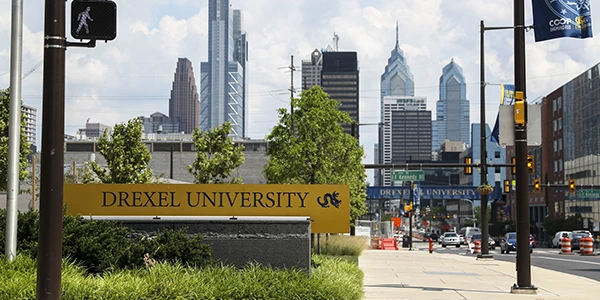
This really helps students get the skills they need to do a job and choose a career path that's relevant and will be good for the future.

Here are some of the popular fields that students usually go for:

  • Computer Science: This covers things like artificial intelligence and data science and cybersecurity and software development
  • Business & Management: This includes things like finance and marketing and human resources and international business
  • Engineering: This offers specializations like engineering and civil engineering and electrical engineering and computer engineering
  • Health Sciences: This focuses on things like public health and nursing and healthcare management
  • Media & Communication: This includes fields like making films and journalism and graphic design and digital media

USA courses, like technology and business are often the top choices because they open doors to many different industries. Studying in the USA and taking courses like technology and business really help students because these courses are closely aligned with what the industry needs.
On the other hand, careers in healthcare and engineering tend to offer more stability and steady growth.

Admission Requirements for Studying in USA

Getting into a US university is not about your grades. A US university will look at your profile. This includes the grades you get in school your test scores, how well you speak English and the other documents you send with your application.

It is very important to remember that the things a US university needs from you can be different depending on the US university you want to go to, how hard it is to get into a course and the number of students who apply to the US university each year.

Academic Requirements to Study in USA

When planning to study in USA, your academic scores are usually the first thing universities consider.

Top institutions look for consistently strong performance, while mid-level and safer options are more flexible if other parts of your profile are strong.

Here’s how requirements differ:

Tier

Academic Expectation

Top Universities

75–90% or GPA 3.5+ (strong and consistent scores expected)

Mid-Tier Universities

65–80% or GPA 3.0–3.5 with a balanced profile

Affordable Universities

55–70% or GPA 2.5–3.0 with flexible evaluation

Strong academics always help, especially if you’re targeting competitive universities.

Entrance Test Requirements to Study in USA

For many programs, especially at the postgraduate level, universities may ask for standardized test scores. However, in recent years, many institutions have become more flexible and even offer test waivers in some cases.

Here’s a general idea of score expectations:

Tier

Test Requirement

Top Universities

GRE: 320–335+ / GMAT: 700+

Mid-Tier Universities

GRE: 300–320 / GMAT: 600–700

Affordable Universities

GRE: 280–300 / GMAT: 500–600 (waivers often available)

Even if your scores aren’t perfect, a strong SOP or relevant experience can help balance your application.

English Language Requirements to Study in USA

If you plan to study in USA as an international student, proving your English proficiency is usually required. The score expectation depends on the university level and how competitive the program is.

Here’s a simple breakdown:

Tier

IELTS / TOEFL Score

Top Universities

IELTS: 7.0–7.5 / TOEFL: 95–105

Mid-Tier Universities

IELTS: 6.5–7.0 / TOEFL: 85–95

Affordable Universities

IELTS: 6.0–6.5 / TOEFL: 70–85

Some universities also allow alternatives like Duolingo or accept students without IELTS if they have studied in English-medium institutions.

Documents Required to Study in USA

When applying to study in USA, your documents play a big role in showing who you are beyond your scores. Universities use these to understand your goals, achievements, and overall personality.

Here are the main documents you’ll need:

  • Academic transcripts (10th, 12th, graduation)
  • Statement of Purpose (SOP)
  • Letters of Recommendation (usually 2–3)
  • Resume or CV (mainly for PG courses)
  • Valid passport
  • English test scores (if required)

A strong SOP and good recommendations can often make a big difference, especially for competitive programs

Work Experience for Study in USA (PG Courses)

Work experience is not required for every course, but it becomes important for programs like MBA or management. It can also strengthen your application if you’re aiming for competitive universities.

Here’s how it usually varies:

Tier

Work Experience Expectation

Top Universities

2–5 years with relevant or leadership experience

Mid-Tier Universities

1–3 years preferred but not always required

Affordable Universities

0–2 years; many programs accept freshers

Having work experience can improve not just your admission chances, but also your opportunities for internships and jobs later on.

Cost of Studying in USA

Planning your budget is an important step if you want to study in USA. On average, students spend around $25,000–$70,000 per year (INR 24L–67L), depending on their university, course, and lifestyle choices.

Tuition Fees to Study in USA

Tuition fees usually take up the biggest share of your total expense when you decide to study in USA. The amount depends on the university’s ranking, course type, and location, with top universities being more expensive than mid-tier and affordable options.

  • Top universities: Around $45,000–$70,000 (INR 43L–67L) per year
  • Mid-tier universities: Around $25,000–$50,000 (INR 24L–48L) per year
  • Affordable universities: Around $15,000–$35,000 (INR 14L–33L) per year

Your choice of university directly impacts your total budget, so it’s important to balance cost with the quality of education and career outcomes you’re aiming for.

Cost of Living in USA to Study in USA

When you study in USA, living expenses are the second major cost after tuition. These expenses depend a lot on the city you choose, your accommodation type, and how you manage your daily spending.

Here’s what a monthly budget looks like:

  • Accommodation: $700–$1,800 (INR 66K–1.71L)
  • Food: $300–$600 (INR 29K–57K)
  • Transport: $100–$350 (INR 9.5K–33K)
  • Health Insurance: $100–$250 (INR 9.5K–24K)
  • Personal Expenses: $200–$500 (INR 19K–48K)

In total, students usually spend about $1,500–$3,000 per month (INR 1.43L–2.85L).

Scholarships for Study in USA

If you’re worried about expenses, scholarships can make it much easier to study in USA. Some funds cover almost everything, while others support part of your costs.

The key is to apply early and choose the right ones.

Here are some popular scholarships students usually look at:

  • Fulbright Program: Covers full tuition, travel, and gives a monthly stipend of around $1,200–$2,500 (INR 1.14L–2.38L). You need strong academics and a good overall profile.
  • Knight-Hennessy (Stanford): A highly competitive option that covers full tuition and gives a stipend of about $1,400/month (INR 1.33L) along with relocation support.
  • Humphrey Fellowship: Best for experienced professionals with leadership background. Covers tuition and provides a monthly allowance of $1,500–$2,500 (INR 1.43L–2.38L).
  • AAUW Fellowship (for women): Offers funding between $20,000–$50,000 (INR 19L–47.5L) to support tuition and living expenses.
  • Inlaks Scholarship: Especially popular among Indian students. Covers costs up to $120,000 (INR 1.14Cr) for top university programs.

Most of these scholarships are not easy to get, but with a strong profile, good planning, and timely applications, your chances can improve a lot.

Intakes to Study in USA

US universities offer multiple intake options throughout the year, which gives students flexibility in planning their applications.

Each intake differs in terms of course availability, deadlines, and competition, so choosing the right one is important.

Here’s a simple breakdown of the main intakes:

Intake

Start Month

Application Timeline

Fall

August – September

December – March

Spring

January – February

July – October

Summer

May – June

January – February

Among these, the Fall intake is the most popular, as it has the widest range of courses and universities.

If you’re figuring out how to study in USA, planning your timeline early is one of the most important steps.

Most students begin preparing 8–12 months in advance to manage exams, applications, and visa processes smoothly.

How to Apply to Study in USA?

Planning your study abroad journey can feel confusing at first, especially with so many steps involved.

But once you understand how to study in USA step by step, the whole process becomes much more manageable and organized.

Here’s how it usually works:

  • Step 1: Start with research: Look for courses that match your interests and long-term career goals. At the same time, shortlist universities based on your budget and academic profile.
  • Step 2: Check requirements carefully: Every university has slightly different criteria. Go through academic scores, test requirements, and deadlines before you apply.
  • Step 3: Prepare for exams: Depending on your course, you may need IELTS, TOEFL, GRE, or GMAT. Some universities may offer waivers, so always double-check.
  • Step 4: Get your documents ready: Keep all your documents in place- transcripts, SOP, LORs, resume, and passport. Make sure your SOP is clear and well-written.
  • Step 5: Submit your applications: Apply through official university portals and pay the application fee. After submitting, keep tracking updates regularly.
  • Step 6: Wait for the offer letter: If shortlisted, you’ll receive an offer. Some universities may ask for a deposit to confirm your admission.
  • Step 7: Begin your visa process: Once you accept the offer, you’ll receive the I-20 form, which is needed to start your student visa application.
  • Step 8: Plan your move: After your visa is approved, book your tickets, arrange accommodation, and get ready for your new journey.

Top Job Roles After Studying in USA

One of the biggest reasons students choose USA is the kind of job opportunities available after graduation.

Fields like tech, business, healthcare, and engineering usually offer good starting salaries along with steady career growth.

Here’s what some of the common roles look like in terms of pay:

  • Software Engineer: Around $187,000–$261,000 (INR 1.78Cr–2.48Cr), especially high in tech hubs
  • Data Scientist: Around $96,000–$100,000 (INR 91L–95L), in demand across industries
  • Business Analyst: Around $69,000–$100,000 (INR 65L–95L), good entry into corporate roles
  • Mechanical Engineer: Around $82,000–$100,000 (INR 78L–95L), stable growth over time
  • Registered Nurse: Around $77,000–$100,000 (INR 73L–95L), strong demand in healthcare

Source: Glassdoor

Disclaimer

Read our full disclaimer for important information here.